

Online Machining Marketplaces Are Changing How Factories Buy Parts
The way factories buy parts is changing. A lot of it is moving online now.
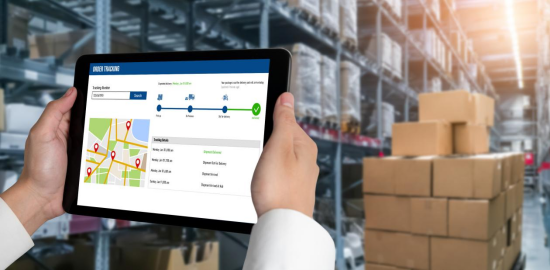
Image Source: 699pic.com
Machining marketplaces are platforms where you upload a CAD file, get a price, and place an order. No phone calls. No email chains. Just a few clicks.
Xometry is the biggest name in this space. The company did $690 million in revenue last year. That is up 23 percent. Active buyers hit 104,000. Suppliers reached 7,700.
Protolabs reported $505 million in 2025 revenue. Up 20.5 percent. Hubs, which Protolabs runs, grew 61 percent in the first half of 2025.
Fictiv raised $17.7 million in late 2025. The money came from a bridge round. The company is based in San Francisco.
The whole market for these platforms was worth about $2.9 billion in 2025. It could hit $4.3 billion by 2029. That is roughly 15 percent growth each year.
Why is this happening? A few reasons.
First, engineers like the speed. They upload a file and get a quote in minutes. No waiting for a salesperson to call back. No back-and-forth about specifications.
Second, the platforms handle the paperwork. Purchase orders. Invoices. Shipping labels. All automated.
Third, companies want flexibility. Traditional supply chains are rigid. If one supplier is backed up, you are stuck. Marketplaces give you access to hundreds of shops.
Fourth, global trade is uncertain. Tariffs and disruptions make companies nervous. Platforms help buyers find suppliers in different regions.
Fifth, AI is making the platforms smarter. They can now check designs for manufacturability. They can predict lead times. They can match orders with the right supplier automatically.
China is also getting into this space. The smart manufacturing market in China hit 4.79 trillion yuan in 2025. Platforms like Supmaker and Zoxon are growing. They have raised funding to scale up.
But there are problems.
Quality control is a big one. Not every shop on a platform delivers the same quality. Some platforms do a good job vetting suppliers. Others do not.
Another issue is that many traditional machine shops are not digital yet. They still use paper and phone calls. They are not ready for an online marketplace.
And some buyers still prefer old-school relationships. They want to know the shop owner personally. They want to visit the factory floor.
The market is still young. It will keep evolving. More shops will go digital. More buyers will use platforms.
For now, the direction is clear. Machining is moving online. The old way of sourcing parts is not gone. But it is shrinking.