

Coating Systems Industry Sees Technology Upgrades and Automation Gains
Factories are busy with coating systems in 2026. Lots of upgrades happening.
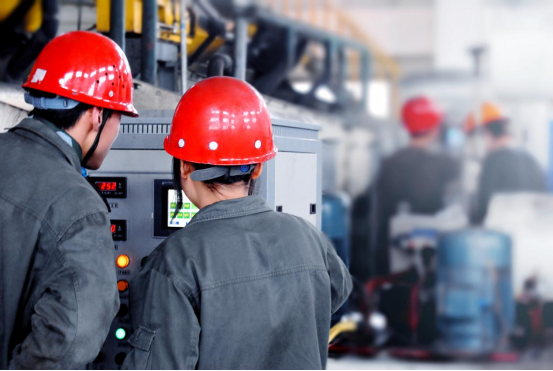
Image Source: 699pic.com
Dip coating is one area. Parts go into liquid. They come out coated. Thin and even layers. Electronics makers use this a lot. Medical device makers too.
The old way was manual. Workers dipped parts by hand. Now they use robots. Automated lines. The switch happened gradually. But it sped up in 2025 and 2026.
Why the change? Electronics keep shrinking. Boards need precise coatings. Dip systems deliver that. They waste less material too. Manual dipping is messy. Inconsistent.
Robots are taking over spray painting. They handle tricky shapes now. Aerospace uses them. Shipbuilding uses them. Auto plants use them everywhere. Results are consistent. Less rework. Fewer workers needed.
Rules on emissions are tighter. Solvent-based coatings are out. Water-based and powder coatings are in. Suppliers are changing their product lines. They are also cutting waste. Recovering solvents.
Consolidation is happening. AkzoNobel and Axalta merged in January 2026. Stock deal. They want to combine R&D. Automotive coatings. Industrial coatings.
BASF is doing something new. Digital twin tech. AI-driven. Automakers can test coatings on screens now. No need to spray real parts. Saves time. Speeds up development.
Pipeline coatings are another segment. Field joint coatings. Applied on-site. Protects welds. Robot arms are doing this now. Quality monitoring is getting smarter.
Asia-Pacific leads the coatings market. Biggest region. Fastest growing too.
Autos are still the biggest customer. Two-tone painting used to be a headache. Two passes. Lots of masking tape. BASF and Renault and Dürr fixed that. Single pass now. Two colors at once. No overspray. Energy use drops.
Chinese firms are moving up. In April 2026, a domestic PVD coating machine went to Europe. Not cheap anymore. Value leadership. Not price competition.
Tianjin got a new spraying system in January 2026. For offshore oil and gas. Flexible intelligent system. Seven-axis robot arm. 360-degree LiDAR. Coating thickness error under 0.01 mm. Software and hardware all made in China.
What does this mean for buyers? Systems are getting smarter. More automated. Greener. Early adopters win.
Coatings are not just paint anymore. They protect. They add functions. They boost performance. The machines that apply them are following the same trend. Automation. Digitalization. Sustainability.
The sector is not slowing down. New tech keeps coming. Factories keep investing. The direction is clear.
More manufacturers are looking at robotic dip systems now. They want consistency. They want to reduce defects. They also want to cut material waste. The numbers support the switch.
Automated spray systems are getting more affordable. Smaller factories can afford them now. That was not true five years ago. The technology has matured. Integration is easier.
Digital tools are becoming standard. Operators use tablets to control settings. They monitor thickness in real time. They adjust parameters on the fly. Data is stored for quality records.
Training requirements are changing. Workers need to understand software. They need to read data outputs. Basic mechanical skills are not enough anymore. Suppliers offer training programs.
The coating industry is also looking at new materials. Graphene-infused coatings. Self-healing coatings. Anti-microbial coatings. Each new material requires new application methods. That drives equipment upgrades.
Robotic arms are getting more precise. Six-axis. Seven-axis. They reach tight spaces. They maintain consistent distance from the part. That improves coating uniformity.
Vision systems are being added. Cameras inspect parts before coating. They detect surface defects. They also check coating quality after application. No human needed for basic inspection.
Energy efficiency is a growing concern. New systems use less power. They generate less heat. They recover waste energy where possible. Plant managers like lower utility bills.
The market has room to grow. Many small shops still use manual methods. They will need to upgrade eventually. The longer they wait, the harder it gets.
Industry analysts say the shift will continue. Automation rates are still below 50 percent in many regions. There is a long runway ahead.
For now, the message is simple. Coating systems are evolving. The pace is quickening. Companies that adapt will stay competitive. Those that do not will fall behind.