

China’s Farm Machinery Breaks Records in Power and Intelligence
In the corn fields of Qitaihe, Heilongjiang, a large flagship combine harvester from China is at work. With a feed rate of 18 kilograms per second, it finishes one mu in under three minutes. This is the first time this model has been deployed in frontline autumn harvest operations. At the same time, in a thousand-mu rice field in Dongyuan County, Guangdong, six unmanned harvesters are operating in sync. Multimodal sensors perceive rice ear height and density in real time, the header adjusts automatically, and harvest loss is kept within 1.8 percent. From the northeast to the south, smart farm machinery is moving from demonstration scenarios into actual production.
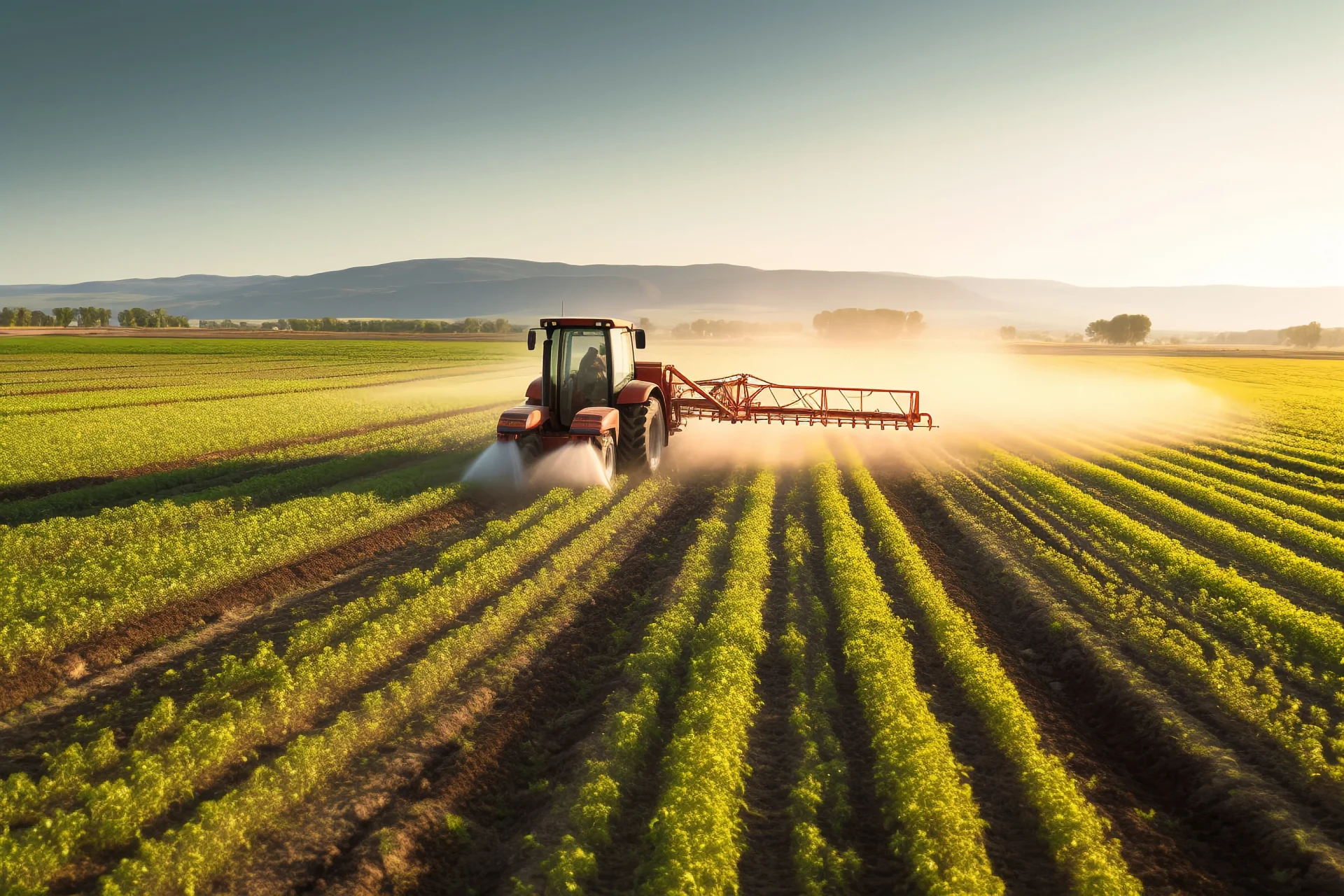
The concentrated deployment of high-performance, intelligent harvesters during the 2026 autumn harvest marks a notable shift. In Guoyang County, Anhui, corn kernel harvesters complete ear picking and threshing in one pass, with an adaptive header clearance system keeping kernel damage below 2 percent. What these machines share is that sensors replace human judgment and algorithms replace experience-based adjustment. Guangdong Province expects to deploy over 520,000 units of green, efficient, and intelligent farm machinery for its autumn operations.
Another direction in the domestic market is addressing the shortfall in hilly and mountainous areas. On November 2, Hunan Province held an on-site demonstration of urgently needed farm machinery in Dao County. Thirty-three enterprises from within and outside the province showcased 61 machines, focused on compact, lightweight, and multi-functional equipment. Paddy field segments highlighted small harvesters and micro-tillers navigating deep-mud plots, dryland segments demonstrated slope adaptability, and orchard segments featured specialized machinery. Unmanned tractors and unmanned sprayers also appeared. Jiang Caigeng, a large-scale grain grower in Dao County, said at the site that such demonstrations helped him understand the practical uses and convenience of more equipment.
Overseas market progress follows a different logic. Eighty percent of Weima Agricultural Machinery‘s orders come from overseas. The Chongqing Jiangjin-based company has established a production base in Thailand, which together with its Chongqing headquarters forms a layout with annual capacity exceeding one million units. Its product strategy centers on “one place, one policy”: coffee plantations in northern Thailand have fragmented plots and restricted access, central Vietnam’s terraced fields are narrow and steep, and Sumatra‘s hot and humid conditions cause rapid equipment corrosion. These annotations come from first-hand field data, not industry reports. A low-profile tracked rotary tiller moves freely between greenhouse rows, switches between walk-behind and ride-on modes, and its standard three-point hitch quickly swaps between rotary tillage, ditching, and straw chopping implements.
Localization of after-sales service is another key. Weima has set up service stations and parts warehouses in Vietnam, Indonesia, and Laos, implementing “field-side quick repair” so technicians reach farmers the same day a repair request is filed. Its US subsidiary handles channel sales, with products covering micro-tillers, snow throwers, and generators, reaching online platforms including Amazon, Walmart, and Home Depot as well as offline retailers Menards and Fleet Farm. A snow thrower with fully enclosed waterproof design starts within three pulls at minus 25 degrees Celsius, targeting the specific needs of high-latitude regions in Europe and North America.
Policy is also advancing. Three national agricultural machinery standards projects were recently approved, submitted by the Liaoning Academy of Agricultural Sciences’ machinery institute, covering tillage, seeding and fertilizing, harvesting, and intelligent monitoring. The 2026 annual meeting and standards review conference of the National Agricultural Machinery Standardization Technical Committee was held in Shenyang. Experts noted that standards are the technical foundation for high-quality development of farm machinery and must be oriented toward actual agricultural production and industry needs.From the corn fields of Qitaihe to the terraces of Dao County to the coffee plantations of northern Thailand, the evolution of farm machinery is diverging: major domestic production areas pursue the efficiency limits of large feed rates and high intelligence, hilly areas need compact and lightweight adaptability, and overseas markets demand customized products for specific working conditions with rapidly responding service networks. Three tracks running in parallel point to the same conclusion: competitiveness in farm machinery is no longer determined by horsepower alone, but by how precisely equipment matches the scenario.