

Packaging Machinery Makers Bet on Automation to Solve Workforce Woes
A new report released this week paints a clear picture of where the packaging equipment industry is heading. The U.S. packaging machinery market reached an estimated $11.7 billion in shipment value in 2025, with food accounting for roughly 44 percent of the total. That is not the interesting part. The interesting part is what is driving investment decisions.
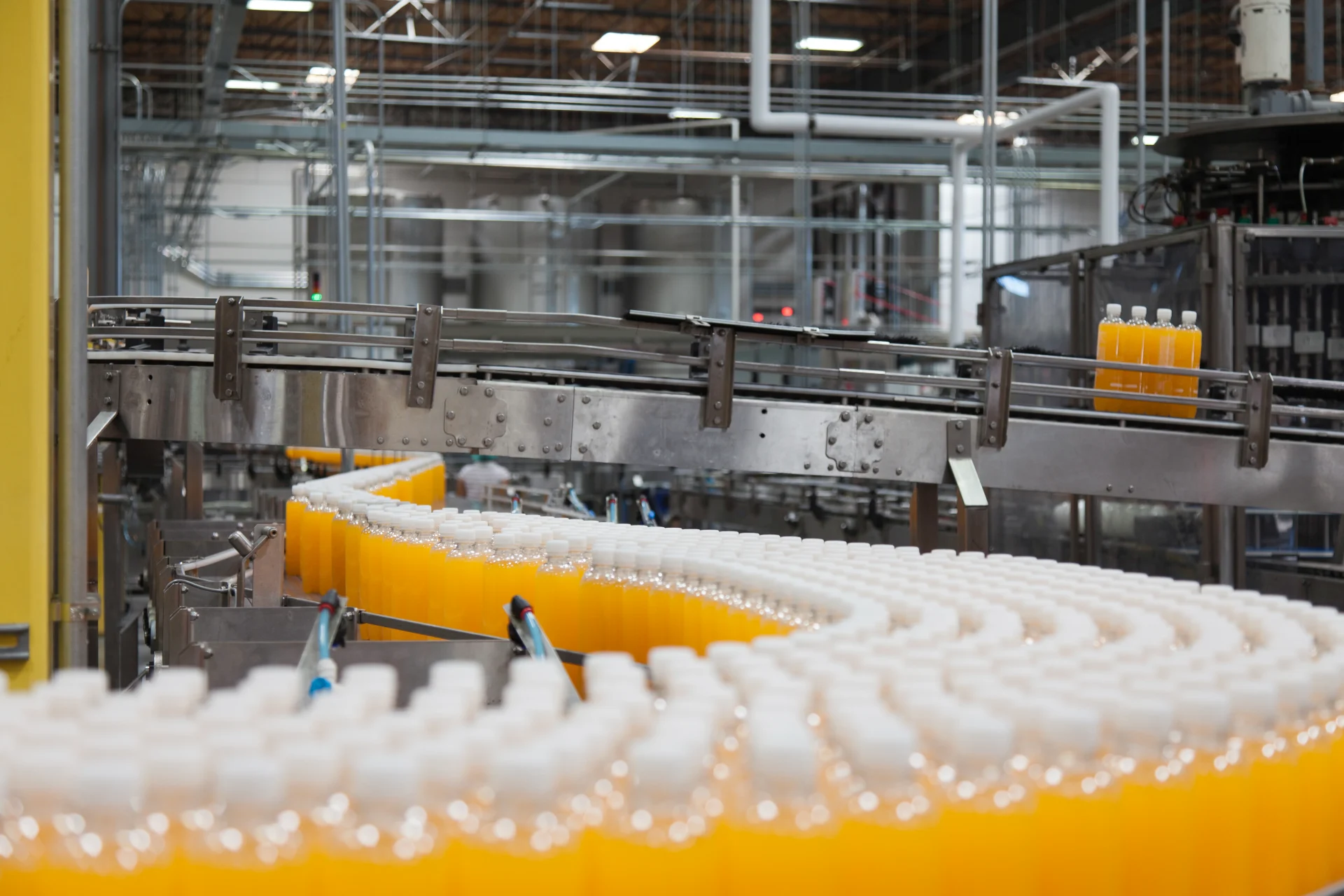
PMMI, the Association for Packaging and Processing Technologies, published its 2026 State of the Industry Report on September 14. The findings point to a sector under pressure from multiple directions. SKU proliferation, workforce constraints, sustainability requirements, and tighter capital discipline are all reshaping how manufacturers buy equipment.
The labor issue is perhaps the most acute. Packaging operations have long relied on experienced operators who know exactly how a machine should be set up for each product change. That model is becoming harder to sustain. Turnover is high. Skilled workers are retiring. And the machines themselves are getting more complex.
Triangle Package Machinery addressed this directly this week. The company announced SmartChange, a guided changeover technology for its vertical form-fill-seal systems. The system uses automated positioning, laser verification, and a visual interface to walk operators through setup. The company claims it can reduce changeover-related downtime by up to 60 percent. The technology will debut at PACK EXPO International in Chicago this October.
What Triangle is doing reflects a broader pattern. The PMMI report notes that end-of-line functions like case erecting, packing, and sealing are increasingly converging into integrated systems. Robotic palletizing is gaining traction because it handles the repetitive, physically demanding work that is hardest to staff.
Syntegon took a similar approach at PACK EXPO this year. The company presented its neXt system architecture in North America for the first time. The platform is built around three principles: seamless operation, smart decisions, and touchless automation. One of the more notable features is the use of autonomous mobile robots to supply film reels and cardboard blanks to machines. The idea is that packaging lines can run for hours without operator intervention.
The flexibility theme runs through all of this. Consumers are demanding more product varieties, smaller batch sizes, and single-serve formats. That means more changeovers and more downtime if the equipment cannot adapt. The PMMI report notes that social-media-driven demand is accelerating the need for machinery capable of frequent format changes.
On the global stage, Chinese packaging machinery exports remain a significant force. Data from the General Administration of Customs shows that cumulative exports of packaging machinery reached 7.71 billion yuan in the first two months of 2026, up from 3.87 billion yuan in January alone. For the full year 2025, exports totaled 551.8 million USD, a 19.4 percent increase year-on-year.
Chinese equipment suppliers are also active in Southeast Asia. At the VietnamPrintPack 2026 exhibition in Ho Chi Minh City, which opened on September 16, Chinese companies brought heavy machinery to demonstrate automated packaging and digital printing technologies on-site. The show gathered 300 exhibitors from 13 countries. Vietnam’s printing and packaging industry is growing at around 10 percent annually, but local manufacturers face a 15 percent cost disadvantage compared to foreign-invested firms due to slower digital transformation.
Sustainability is adding another layer of complexity. Extended Producer Responsibility policies and restrictions on single-use plastics are pushing manufacturers toward recyclable substrates and mono-material packaging. That requires equipment capable of running a wider range of materials. The PMMI report notes that modular and upgradeable systems are attracting interest because they let manufacturers adapt as packaging specifications evolve.
Artificial intelligence is also beginning to find practical applications. Early use cases include capturing institutional knowledge from retiring employees, assisting with real-time troubleshooting, and generating equipment specifications from previous projects. The goal is not to replace expertise but to augment a constrained workforce.