

Fitness Equipment Market Keeps Climbing as Health Awareness Rises
The exercise equipment sector is having a good year in 2026. Demand is up across the board.
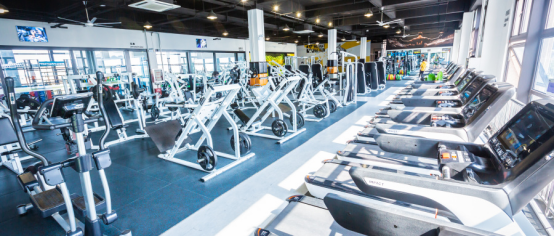
Image Source: 699pic.com
The numbers tell the story. Global fitness equipment market hit $36.37 billion in 2025 and is expected to reach $50.27 billion by 2031 . That is steady growth of about 5.5 percent annually.
China is a big part of this story. In the first half of 2026, China’s exports of sports goods and equipment reached 67.53 billion yuan, or roughly $9.4 billion . China has been the world’s largest exporter of sports goods for years, accounting for over 40 percent of global exports .
Fitness equipment exports alone, including treadmills and rehabilitation gear, hit 2.67 billion yuan . Demand from emerging markets is growing fast. Exports to Latin America jumped 18.9 percent and to Africa 8.1 percent .
What is behind all this growth? A few things.
First, health awareness is rising worldwide. Obesity rates are a major concern. According to the WHO, over 1 billion people now live with obesity — the number has doubled since 1990 . Exercise equipment is no longer seen as just recreational. It is a healthcare tool.
Second, home fitness is here to stay. The home gym equipment market was valued at $5.15 billion in 2025 and is expected to grow to $5.59 billion in 2026 . Hybrid work models keep people at home more often. They want convenient workout solutions.
Third, smart technology is changing the game. Smart fitness equipment is one of the fastest-growing segments, with a projected growth rate of 11.1 percent through 2032 . Connected treadmills, smart bikes, and AI coaching systems are becoming mainstream. People want data-driven, personalized workout experiences .
Treadmills remain the biggest product category. They hold about 26 percent of the market . But smart and connected equipment is catching up fast.
The industry also faces challenges. Smart equipment is expensive. Prices range from $500 to $3,000 per unit . Rising manufacturing costs and supply chain disruptions add pressure. Some consumers still prefer conventional equipment because it is cheaper and more reliable .
Europe is the largest regional market, holding 39.05 percent share . But Asia-Pacific is the fastest-growing, with China leading the way. American markets are also strong.
One recent development worth watching: AEKE, a Chinese fitness tech company, raised $5.87 million on Kickstarter for its AI-powered home gym. The S1 Pro combines more than 23 gym machines into one compact system. It tracks 42 skeletal points in real time and provides personalized coaching . That signals growing consumer interest in AI-led fitness solutions.
The exercise equipment market is not booming overnight. But the direction is clear. People care more about fitness. Home workouts are a permanent shift. Smart technology keeps advancing. Companies that can deliver affordable, connected, and space-efficient products will keep winning.