


 Search


The second week of April 2026 has brought fresh signals for the global industrial machinery sector. Between accelerating reshoring policies, logistics adjustments, and ongoing post‑exhibition activity, the way manufacturers source equipment is changing fast. For buyers looking at machinery trade solutions, the question is no longer just price – but speed, traceability, and end‑to‑end reliability.
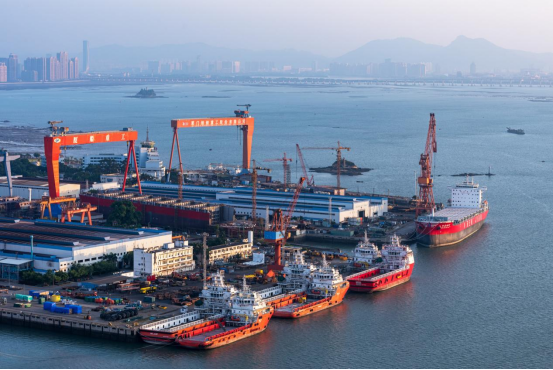
Image Source: 699pic.com
In early April, a high‑level industrial machine tool supply chain forum took place in Shanghai, where 34 equipment leaders met with 27 component manufacturers. The focus was reducing dependency on foreign key parts. More domestic capacity means more verification needed, and buyers now ask whether a given piece of industrial machinery is truly ready for export, and whether the supplier offers consistent quality control, logistics, and after‑sales support. That is precisely where reliable machinery sourcing becomes a competitive advantage – not just finding a machine, but finding one that can actually cross borders without friction.
On April 13, AMT reported a 27.4% year‑on‑year jump in U.S. manufacturing technology orders for February 2026, with aerospace components up 233%. Demand is real, but delivery delays are growing. From ocean freight volatility to customs documentation errors, many mid‑sized buyers realise that supply chain logistics is the weakest link. A good machine quote means little if the equipment sits for weeks at port. This is why professional machinery trade solutions now include not just pricing, but pre‑shipment inspection, trade finance, and door‑to‑door transport planning.
The Seoul International Manufacturing Technology Show (SIMTOS) ran through early April, concluding with record overseas visitors. Korean buyers actively looked for cross‑border industrial equipment supplier options beyond traditional local channels. One clear takeaway was that a global machinery marketplace must do more than list products – it has to verify suppliers, handle language barriers, and provide trade‑ready documentation. Otherwise, interesting machines remain unseen by serious buyers.
Newly released Chinese customs data for Q1 2026 shows double‑digit growth in exports of industrial robots, CNC machining centers, and automated packaging lines. Each category has different certification, voltage, and spare parts requirements. Trying to manage this through scattered emails or general search engines frustrates both sides. A dedicated B2B platform focused on industrial machinery – with structured data, verified company profiles, and integrated trade services – cuts decision time from weeks to days.
Logistics remains the silent deal‑breaker. In early April, major carriers announced new fuel surcharges for heavy equipment, while some ports introduced stricter export declaration rules for used machinery. Supply chain logistics must be part of the conversation from day one. Buyers on a global machinery marketplace need real‑time estimates on weight, dimensions, and special handling, while sellers need to know import regulations at destination. Integrated platforms that connect equipment listings with logistics partners are gaining clear market share. The old model of “find a supplier, then find a forwarder” is too slow for 2026. The market wants machinery trade solutions that wrap product and process into one seamless experience, and the next six months will see more automation, more cross‑border equipment moves, and more pressure on transaction speed.